
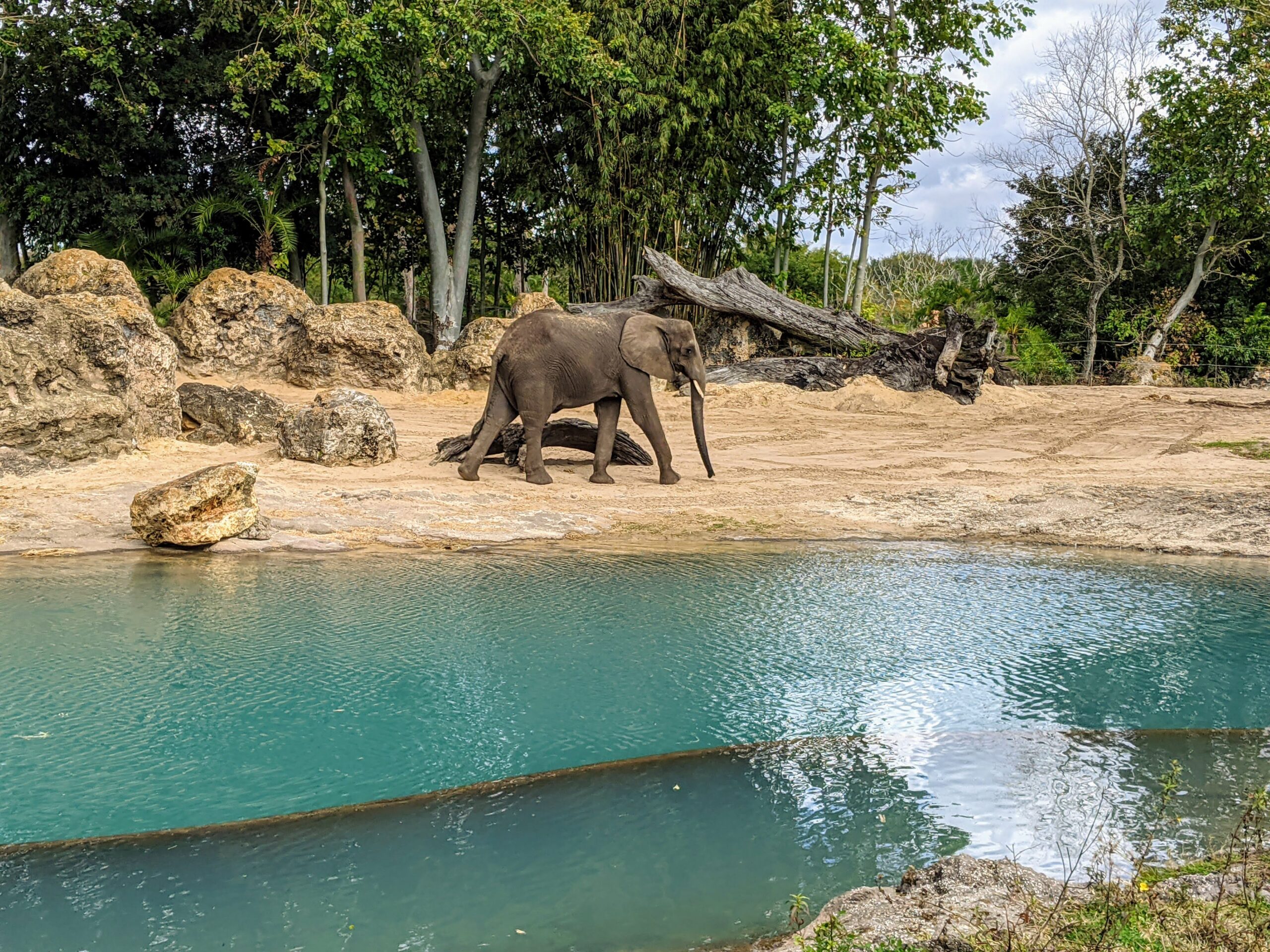
Disney published a new patent on September 24, 2026, and it points to an interesting idea for how guests might experience animals at the parks. The filing describes an AI system that watches animal habitats through a network of cameras and sends real-time alerts about what those animals are doing. Here is a breakdown of what the patent covers and what it could mean for park visitors.
What the Patent Describes


At the center of the filing is a network of cameras placed throughout outdoor animal enclosures. Those cameras feed video into something the patent calls an “animal monitoring platform,” which processes the footage and produces real-time notifications.
The platform relies on AI, specifically neural networks, to make sense of what the cameras capture. It can detect animals, identify their species, track body posture, and flag behavior that falls outside the norm. In short, it is designed to understand not just where an animal is, but what it is doing.
How Guest Alerts Would Work
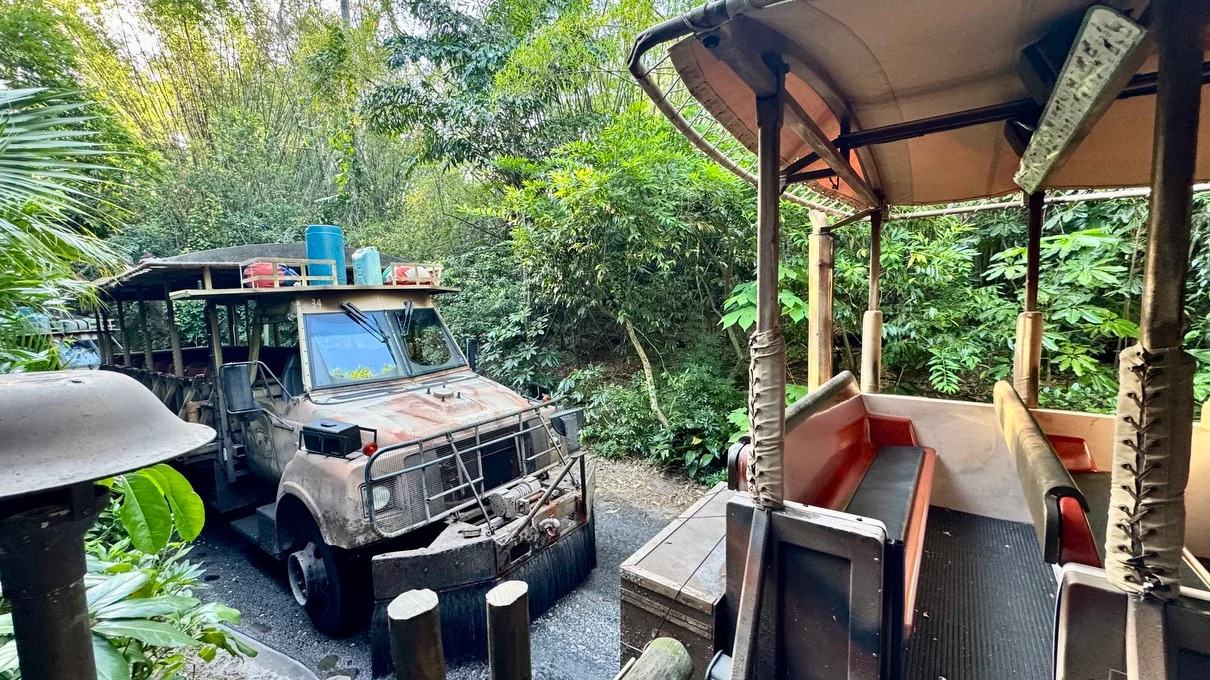
The most guest-facing part of the patent involves sighting notifications. According to the filing, alerts could reach guests through smartphones, tablets, ride vehicle screens, loudspeakers at observation areas, or RFID wristbands.
These alerts could also be personalized. A guest who marks a favorite animal in an app profile might receive notifications tied to that preference, so the system would know to flag a specific creature when it comes into view. Other alerts could go out more broadly to everyone in a viewing area.
A Scoring System for Sightings

Rather than sending an alert for every animal that moves, the patent describes a way to judge how worthwhile a sighting is first. The system uses a scoring method built around a few factors.
Those factors include how rare a behavior is, how far a guest is from the sighting, and whether the animal matches something that guest cares about. Each notification would then be assigned a priority level based on that score, which helps keep alerts meaningful rather than constant.
Rerouting Vehicles Toward Animals

One scenario in the filing goes a step further than simple notifications. It describes a vehicle or boat already touring a habitat that could be redirected toward a viewing opportunity right after its driver receives an alert.
The layout of vehicle paths, foot paths, waterways, and boats in the patent resembles the setup at attractions like Kilimanjaro Safaris. That said, Disney’s patent does not name a specific attraction, and it does not confirm any plan to build the system.
A Deeper Look at the Technology
Underneath the guest-facing alerts, the patent lays out a detailed technical approach. Cameras feed video into object detection models that draw a box around each animal in a frame and label its species. A second layer tracks specific points on an animal’s body, such as its head, shoulder, elbow, and paw, which lets the system read posture and tell a resting animal apart from an agitated one.
A third type of model watches for anomalies. It learns what normal behavior looks like for a given species or individual over time, then flags anything that breaks from that pattern. The filing also references a generative model similar to OWL-ViT, an existing open-vocabulary vision-language system. Disney would fine-tune that model on the animals at a given facility so it could answer plain-language questions about live footage, such as “What animals are in the image?” or “Is any animal behaving aggressively?” The paperwork cites response times of a few hundred milliseconds, fast enough for real-time answers.
Alerts for Staff and Safety
The patent is not only about entertainment. Disney frames part of the system as a safety tool, noting that enclosures at a modern zoological attraction can cover more ground than any single caretaker can watch at once. As a result, aggression between animals, a distressed animal, or one species entering another’s habitat can go unnoticed until after the fact.
Employees would be a key audience for the alerts. Cast Members could be notified the moment a vehicle route is blocked by an animal, when an animal shows aggressive behavior toward another, or when the anomaly detection flags something unusual enough to warrant an in-person check. Guest and staff notifications would pull from the same underlying detections, filtered and prioritized differently depending on who receives them. Disney states that no comparable system currently exists to monitor animals in real time as these events happen.
Conclusion
This patent offers a look at how Disney is thinking about pairing AI with its animal attractions, from personalized sighting alerts to real-time safety monitoring for Cast Members. As with any patent, a filing is not a promise, and Disney has not confirmed that the system will appear at any specific location. Still, it is a filing worth watching for anyone curious about where park technology may head next.
Written by
Rachel Van Norman
Contributing Writer
Rachel fell deeply in love with all things Disney as a little girl. Now as a wife and a mother herself, she shares this Disney obsession with her son and everyone around her. From her love of princesses to eating all the Disney food, Rachel spends her time radiating Disney magic and keeping everyone up to date on Disney news.


