
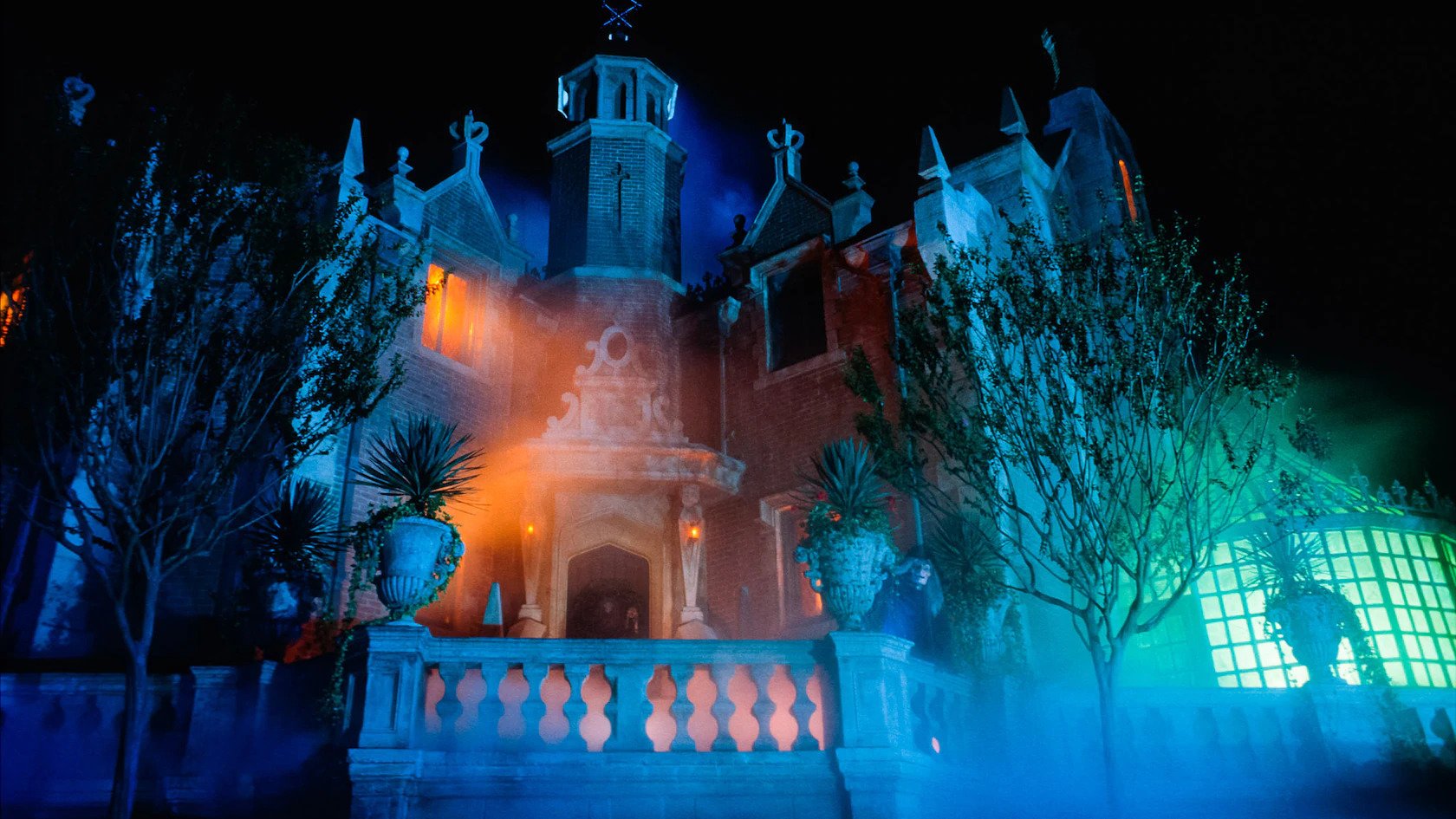
Disney continues to file and secure patents that hint at where the parks might head next. The latest one focuses on a personal touch: a system that would let guests flag what they want to avoid on a ride, then send them alerts if those elements show up. Here is what the patent describes and what it could mean for future park visits.
What the Patent Covers
Disney was granted patent US-20260245439-A1 on August 20, 2026. The company filed it on February 14, 2025, and it carries the title “Personalized Notification of Attractions Including User Preferences or Aversions.”
A system includes a hardware processor and a memory storing software code and a user preferences database including at least one of an aversion of a first user or a preference of the first user. The hardware processor is configured to execute the software code to receive, from an attraction providing a user experience, data describing a characteristic of the user experience, compare, using the data and the user preferences database, the characteristic of the user experience with the aversion and/or the preference of the first user, and determine, based on comparing, that the characteristic of the user experience corresponds to the aversion and/or the preference of the first user. The hardware processor is further configured to execute the software code to alert the first user in response to determining that the characteristic corresponds to the aversion and/or the preference of the first user.
Disney Patent FilingAt its core, the patent outlines a way to match a guest’s stated likes and dislikes against the actual content of an attraction. The system would pull data about a ride, compare it to a guest’s saved preferences and aversions, and then notify that guest when something lines up. It is a more targeted approach than a simple thumbs-up or thumbs-down recommendation.
How It Would Work

Guests would input a range of preferences and aversions ahead of time. Think common triggers like spiders, darkness, or loud sounds, along with other elements a person might want to steer clear of. The system would store these details and use them to flag rides that contain those features.
When a match comes up, the guest would receive an alert through a device such as a phone or smartwatch. According to the patent, that alert could be visual, audio, or haptic, giving people a few ways to notice it depending on their situation.
Real-Time Warnings During a Ride

One of the more notable ideas in the patent is timing. The alerts would not be limited to the planning stage. The system could notify a guest in real time during an attraction, warning that a trigger is coming up.
That kind of heads-up could help someone prepare in the moment. A guest who wants to avoid seeing a specific element could close their eyes or look away before it appears, rather than being caught off guard.
Intensity Ratings From 1 to 10

The patent also describes a way to rate aversions by intensity on a scale of one to ten. The example given involves spiders. A single motionless spider might rate a one or two, while a swarm of aggressively moving spiders could land at an eight or higher.
That scale matters because not every guest draws the line in the same place. Some people with a fear of spiders might be fine with the lower end and skip only the higher-rated moments. Others might want a warning for anything on the list. The rating gives guests more control over which alerts they actually receive.
Swapping in Substitute Content
Beyond warnings, the patent raises the possibility of changing what a guest experiences. In some cases, the system could provide substitute content during an aversive moment. On a moving ride, it could sync a guest’s location with the timing of what they see or hear, then present different visuals or audio in place of the triggering element.
This would not apply to every part of an attraction. Physical set pieces cannot be swapped out on the fly. On-screen visuals and audio, though, are the kind of elements where this approach could realistically work.
How This Compares to the Current App

The Disneyland and Walt Disney World apps already offer general ride recommendations, but this system would go further. Instead of broad suggestions, it would respond to the specific concerns a guest enters.
The patent explains the reasoning. Listing every possible warning on signage or in an audio announcement is not practical, and long lists of concerns could discourage guests from an attraction altogether. Updating that signage as new concerns come up is also costly and slow. A personalized, device-based system would sidestep those limits and adjust to the individual and their location during the experience.
Final Thoughts
The patent points to a more customized way of navigating attractions, one that accounts for individual preferences and sends alerts when they come into play. The intensity ratings and possible substitute content add further layers to that idea. Whether any of it reaches the parks remains to be seen, but it offers a useful window into how Disney is thinking about guest comfort and personalization.
Written by
Rachel Van Norman
Contributing Writer
Rachel fell deeply in love with all things Disney as a little girl. Now as a wife and a mother herself, she shares this Disney obsession with her son and everyone around her. From her love of princesses to eating all the Disney food, Rachel spends her time radiating Disney magic and keeping everyone up to date on Disney news.


